Kindergarten
“Kindergarten children are confident in spirit, infinite in resources, and very eager to learn and explore. For children this age, everything is possible”
Our Kindergarten program recognizes that children will soon be entering grade-school; hence it is vital that we equip them with the resources needed to succeed in school. Our program is based on the IB PYP and the belief that children are competent learners who are eager to explore the world around them. The program runs for about 5 hours everyday wherein educators work collaboratively with children to implement a program that meets curricular outcomes while engaging children in their interests and talents.
Explore program
At our Ahmedabad campus, we also offer the option of an extended day where students stay in school for ~8 hours instead of the 5 hours as part of the regular program. Crafted with research and care, the explore program encompasses a diverse array of learning opportunities including STEM, languages, theater, arts, sports, and outdoor experiences.
Day in the Life
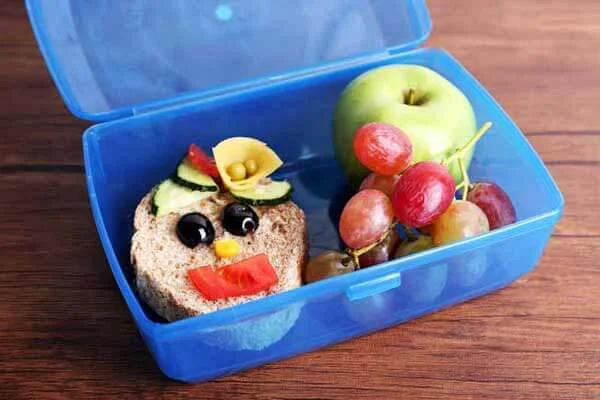
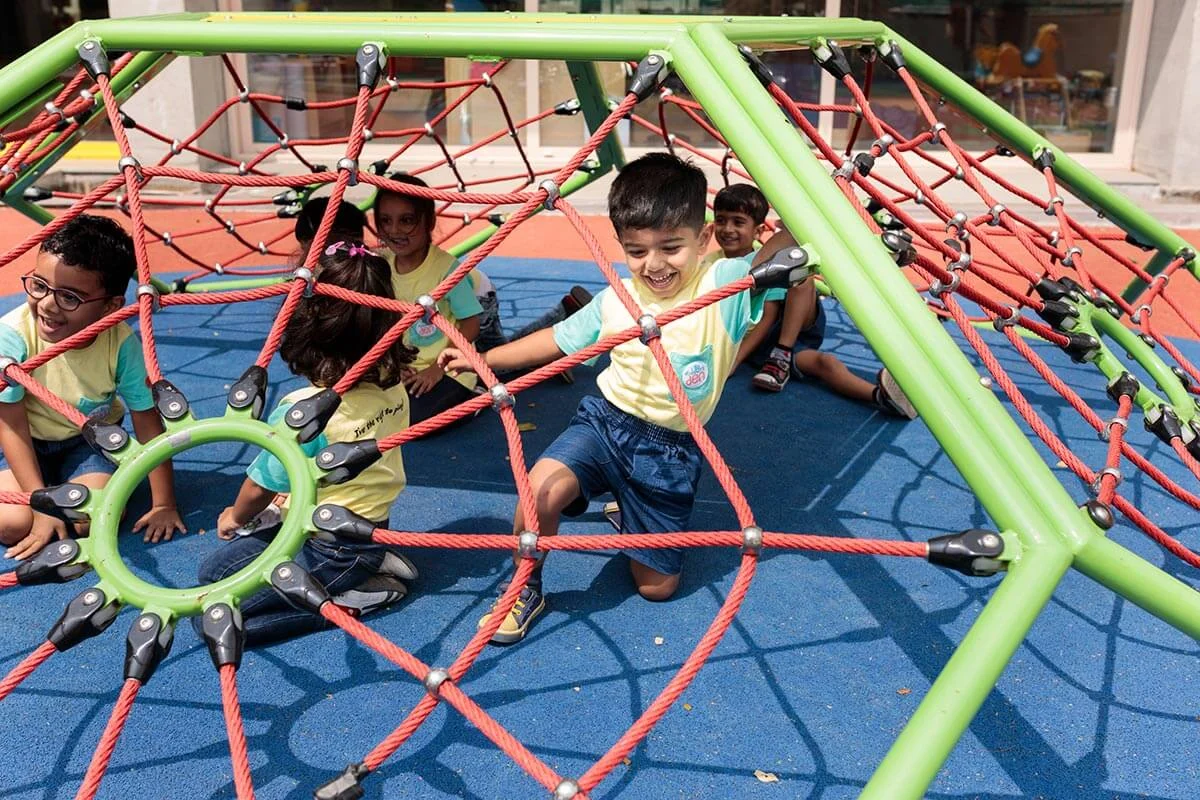
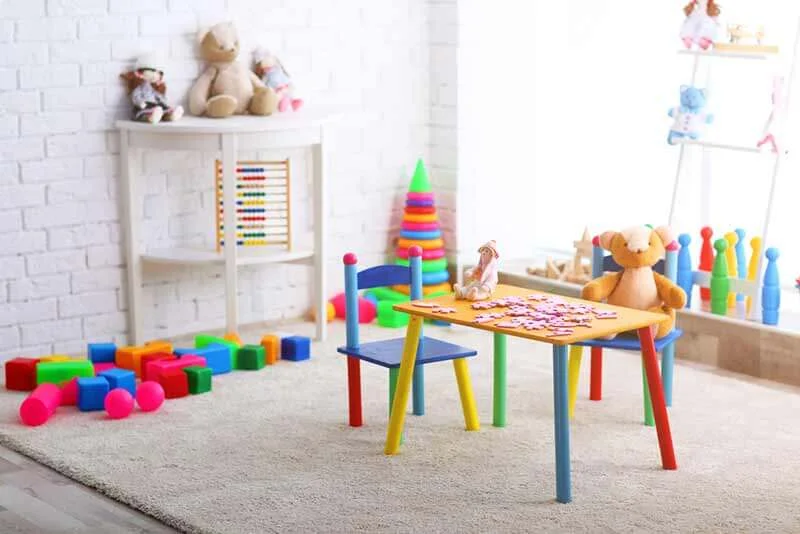
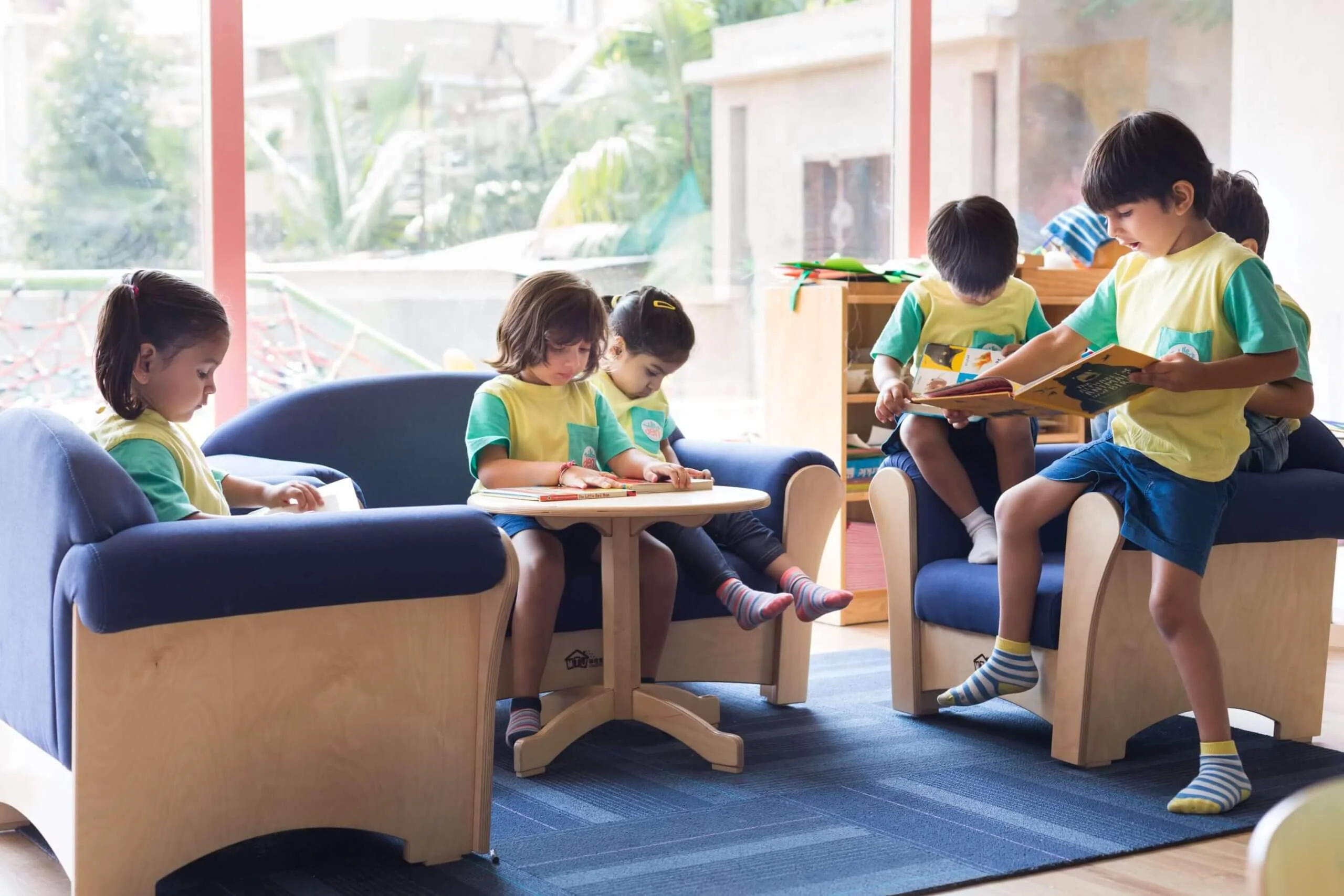
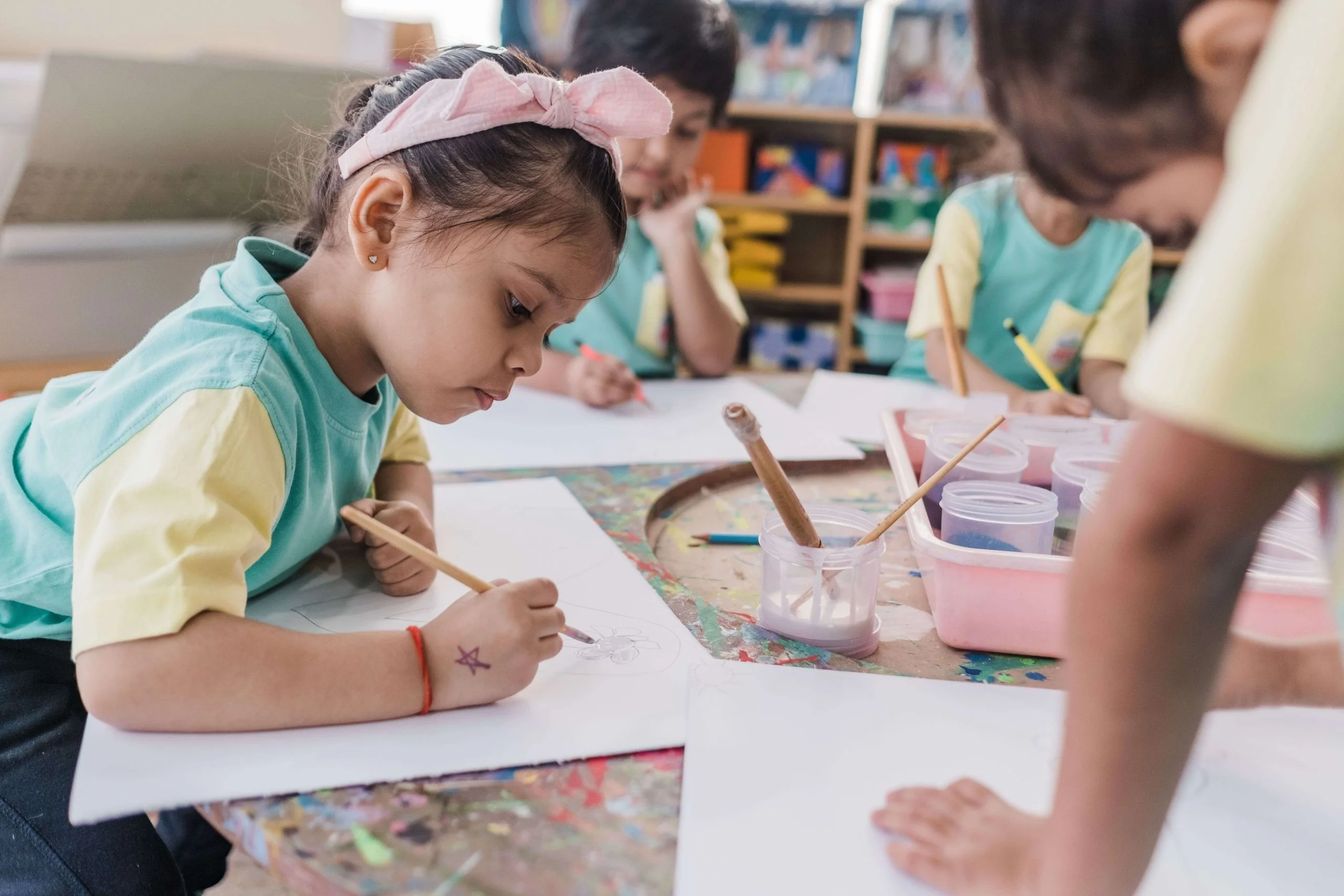
Every Friday, we take learning beyond the classroom with either an outdoor excursion or an expert visit, where children master a specific skill or subject.
Kindergarten Learning Spaces
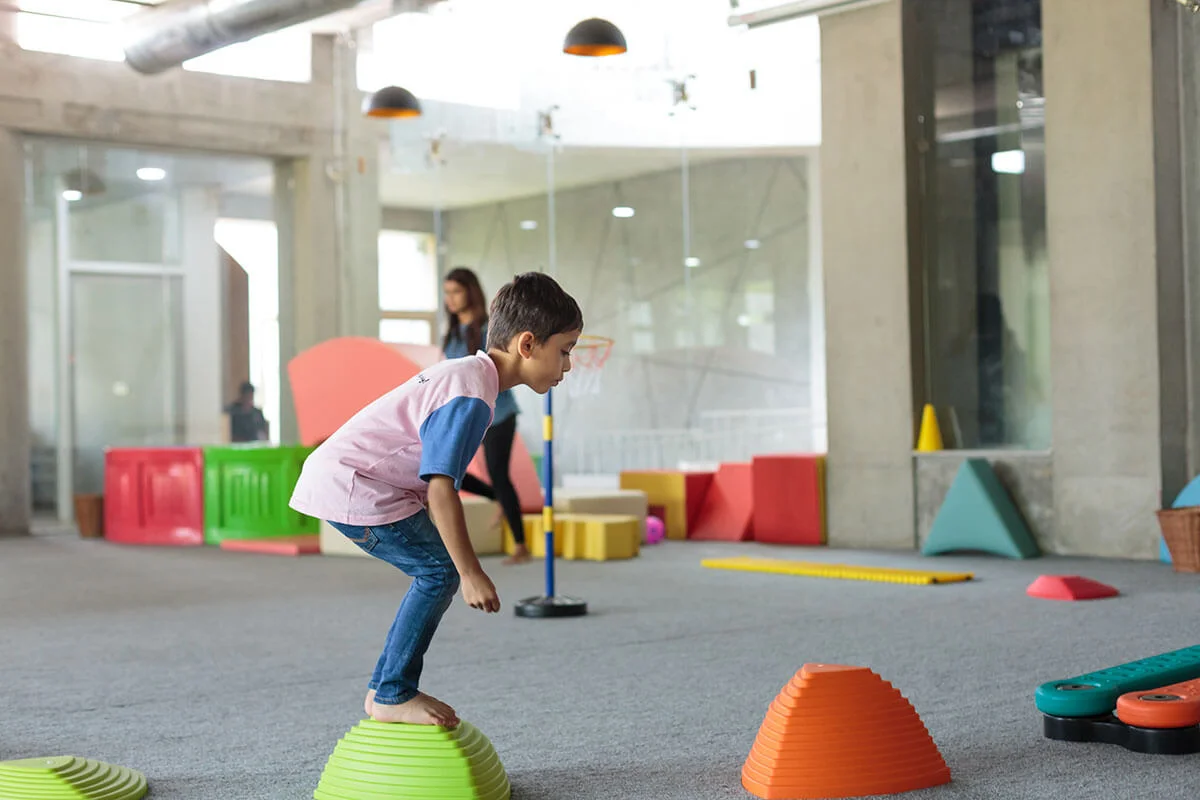
Sensory Gym
The sensory gymnasium is every child’s favourite space at Toddler’s Den. It is filled with open-ended and structured challenges that change every week. Children strengthen physical skills and social skills as they walk on balancing beams, wobble on river stone gonges, fall on crash mats, climb on rock walls, jump under parachutes, ride scooters, swing on ziplines, and hang on wallbarz.
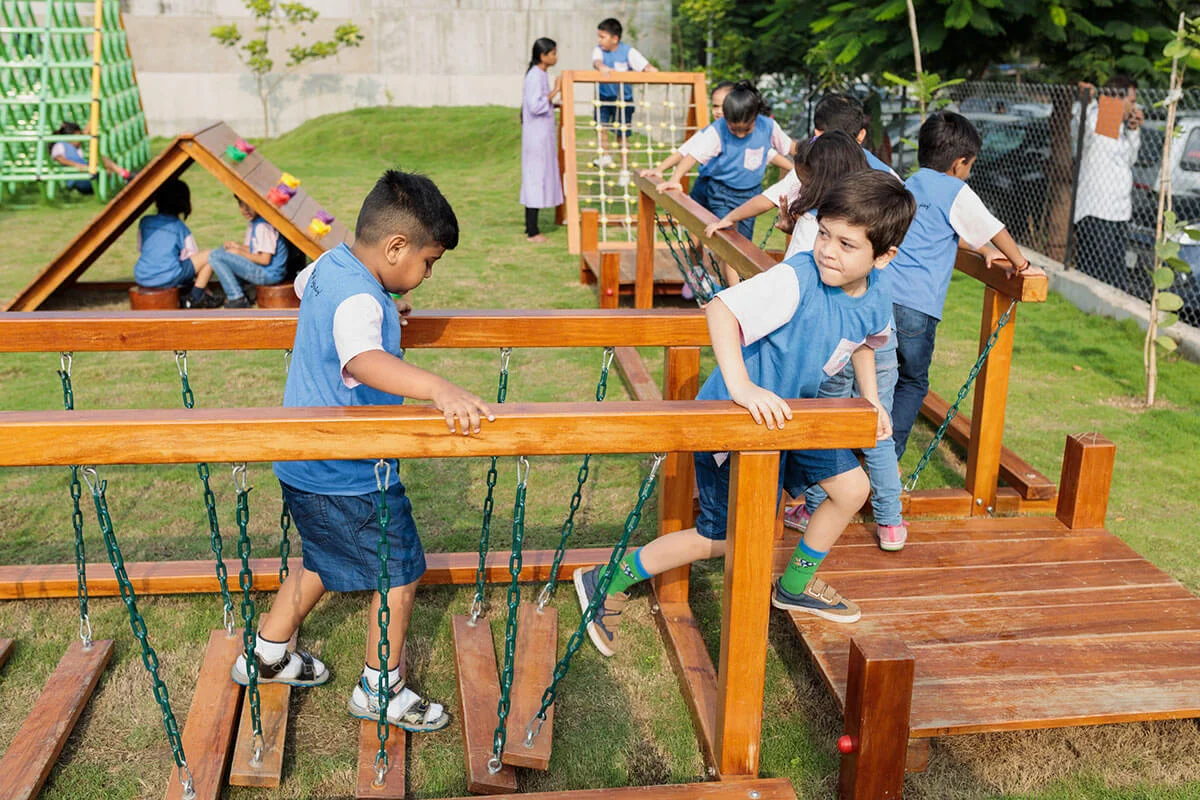
Outdoor Play Spaces
Toddler’s Den is equipped with 3 types of outdoor spaces - active, social, and experimental. In the active play area, children have access to open-ended play equipment where they develop their gross-motor skills through playing football, cycling, crawling and climbing on mounds. The outdoor social area is an interactive and collaborative space with a sand pit, water tub, and a pretend play area. In the experimental outdoor area, children experiment with materials that evoke their multiple senses.
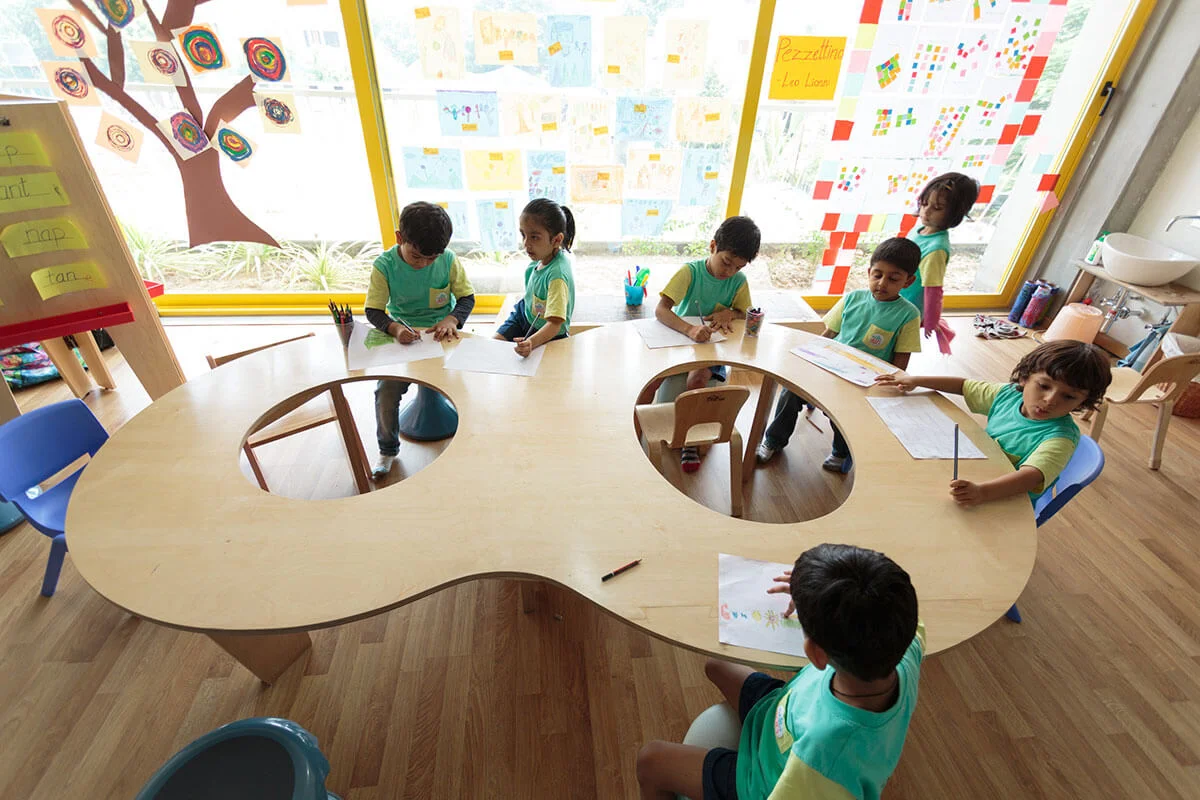
Numeracy and literacy station
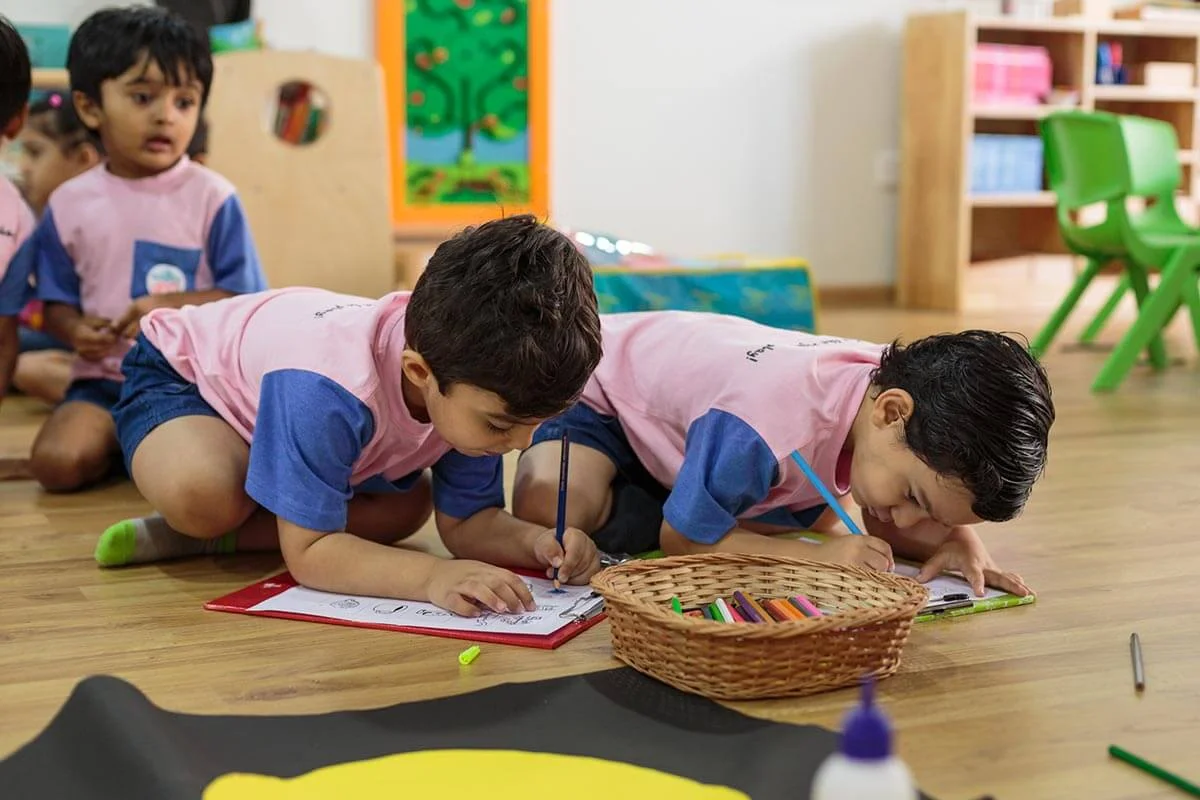
We believe that building a strong literacy and numeracy foundation provides young children with a headstart into a world that is based on communicating through words and numbers. Children spend an hour in this area everyday on focussed numeracy and literacy inquiry and projects. This station plays host to learning manipulatives that are inspired by Montessori and Reggio Emilia.
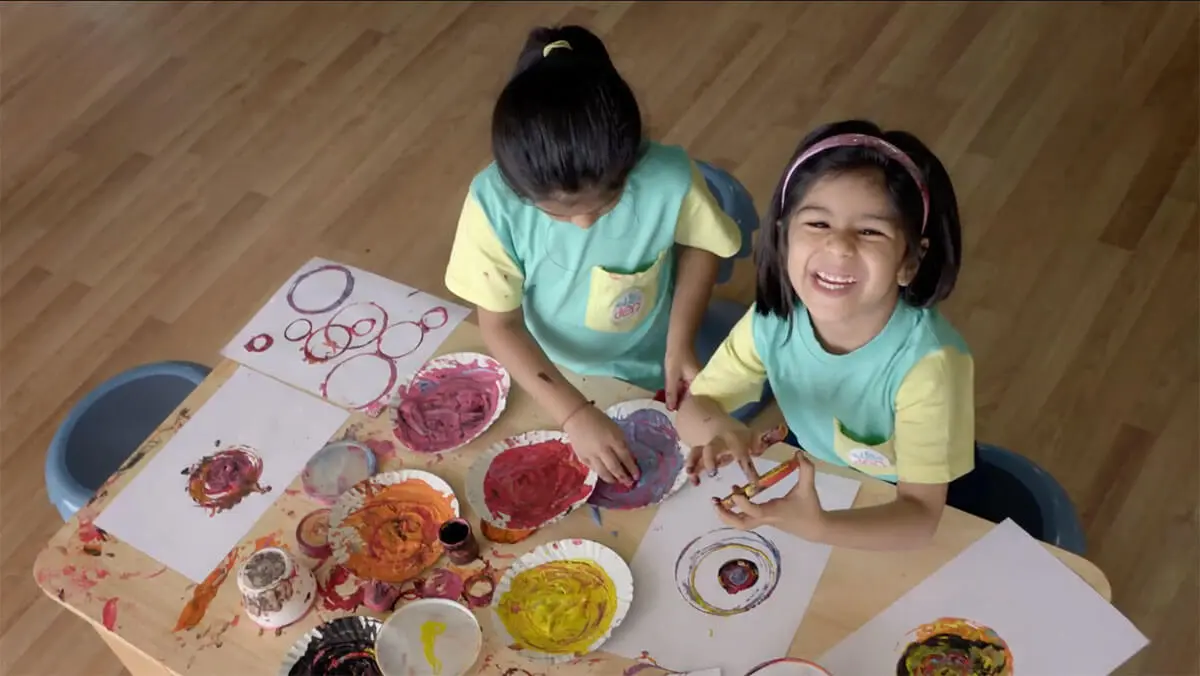
Art and Design Station
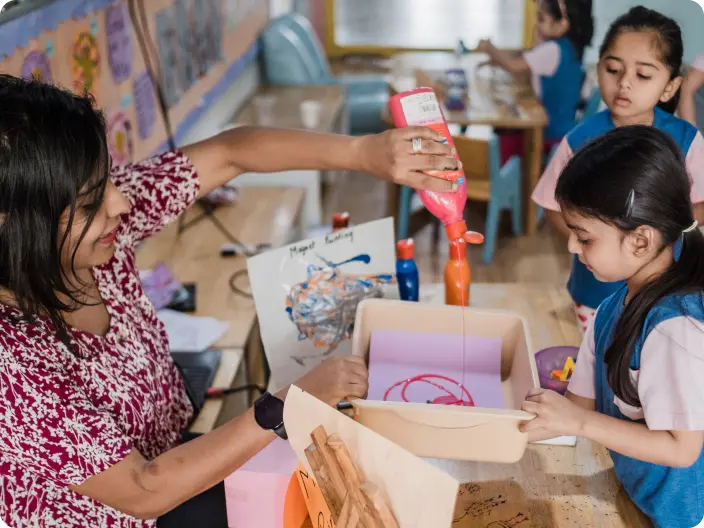
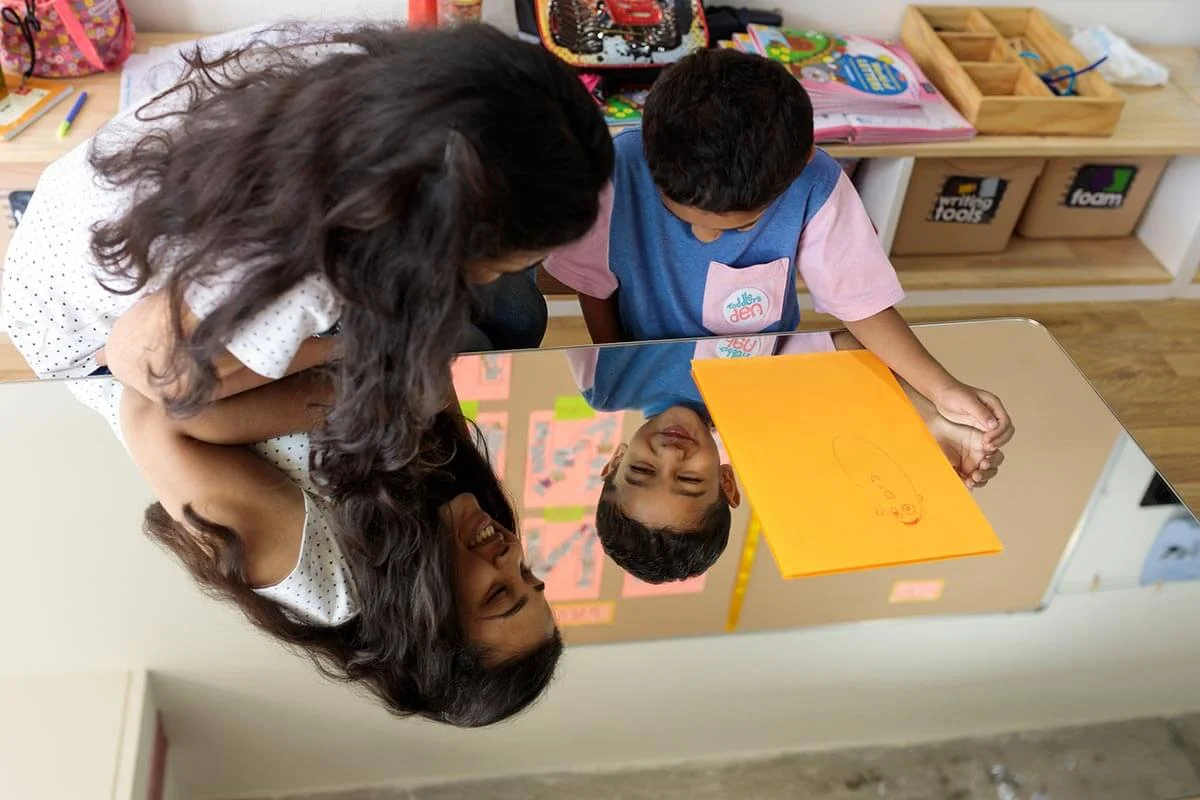
The art and design station has easels, tables, and mirror tables for children to express themselves through art explorations. They can sketch, paint, sculpt, create illustrations, make cartoons, and create textures. Learning to create and appreciate art and design is important for children to understand different languages of communication. Children are invited to reuse recyclable materials such as cotton balls and bottle caps to create beautiful stuff masterpiece.
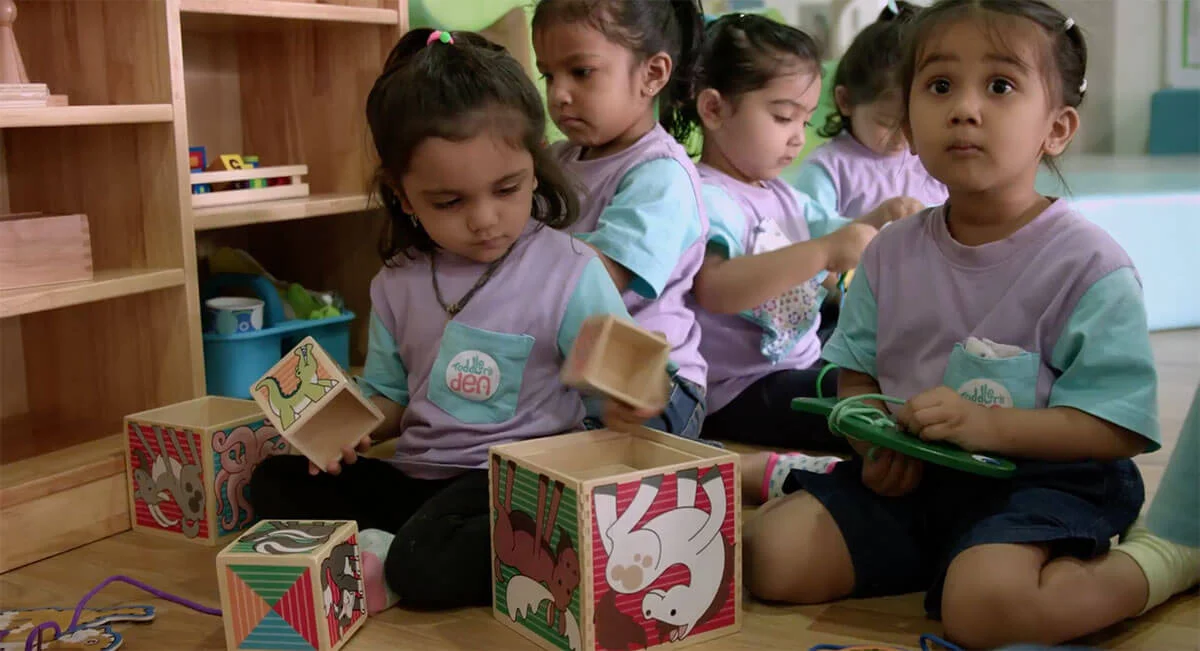
Reading Station
The reading station is a cozy nook filled with pillows, plush characters, and couches. Storybooks of all genres including science, numeracy, social world, imagination, and emotional intelligence are hosted in this center. Children engage in reading individually or in pairs, listening to read-alouds and performing plays with peers. The reading station also acts as a reef of calm where children can escape the hustle and bustle of the classroom.
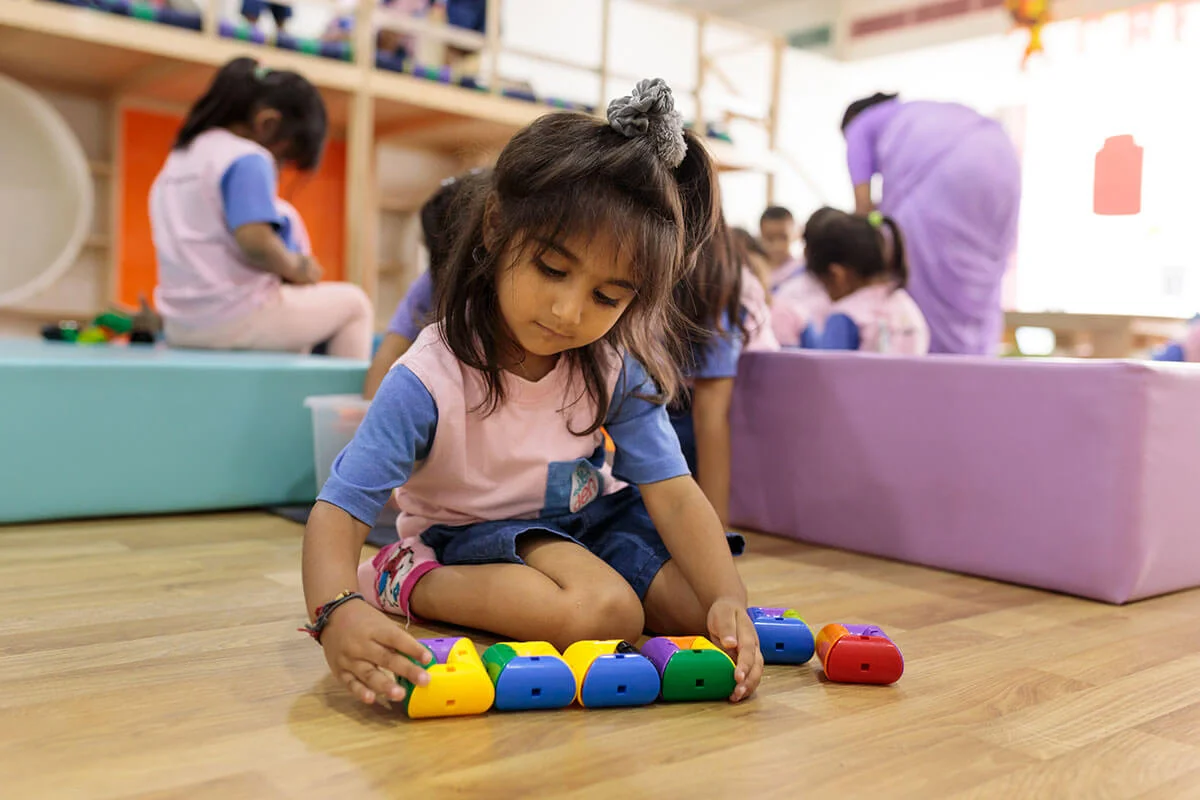
Block Station
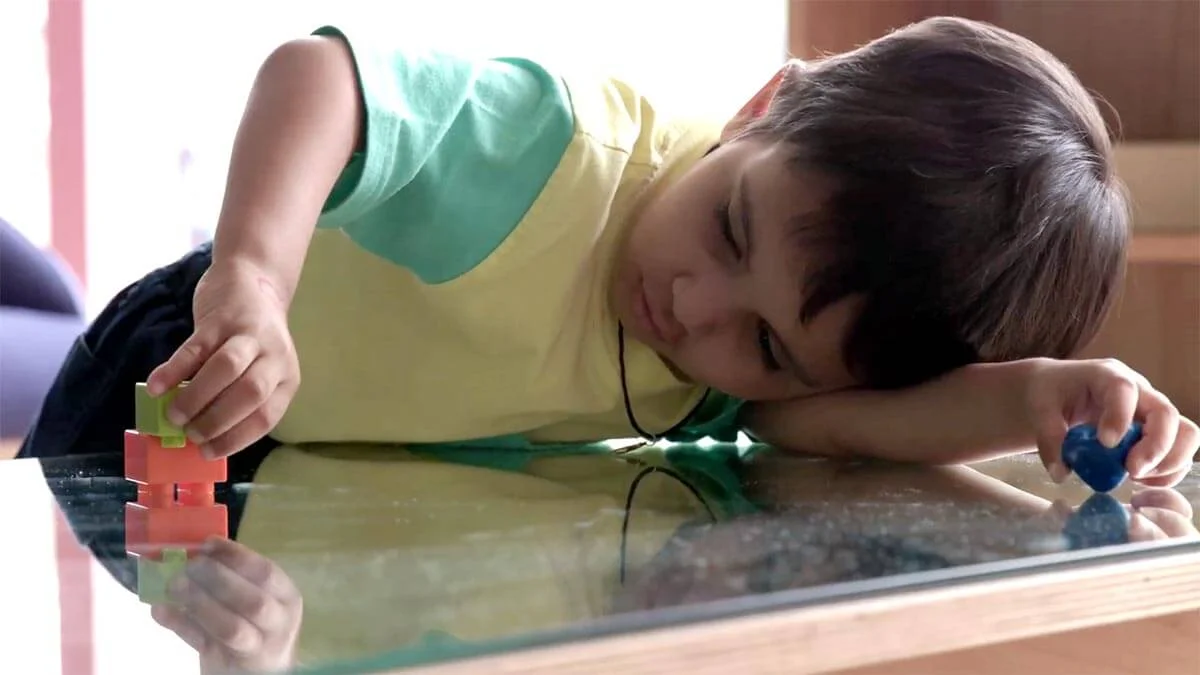
The block station is every child’s favourite harbour in the classroom. It has a range of blocks in different shapes, sizes, and characteristics from wooden unit blocks to magnetic blocks. This station hosts collaborative construction of elaborate structures that sometimes transform into sites for dramatic play. Children immerse in problem solving as they make complex structures and build language skills as they talk about the details of their structure with the entire class during reflection time.
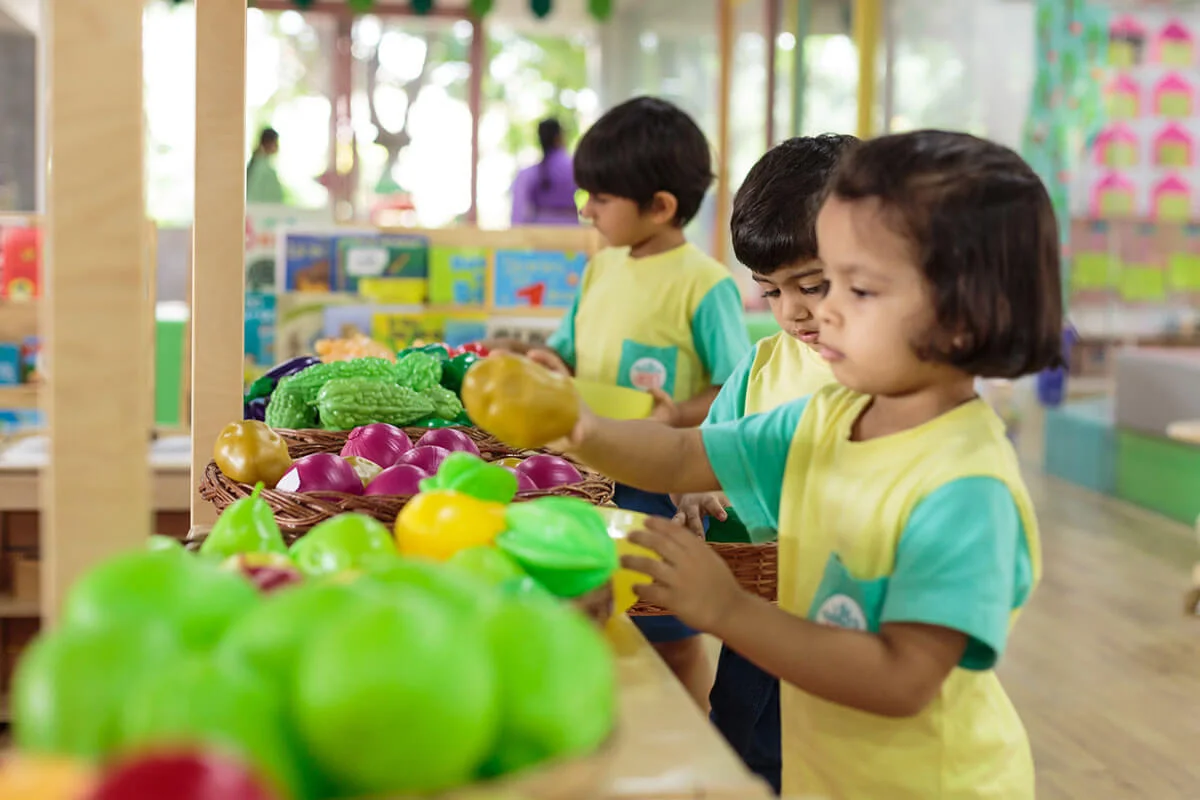
Pretend Play Station
The pretend play station is designed in a way that kindergarten children can transform it into different sites of interest such as restaurants, hospitals, pet stores, barber stores, bakeries, beaches, and campsites. Children have access to a range of props and costumes that can be used in many imaginative ways. Children learn to care for these by creating agreements about where different materials will be placed during the school year.
Frequently asked questions
The Kindergarten programme at Toddler's Den is designed for children between 4 and 6 years of age, across K1 and K2.
Children are placed in the appropriate grade based on their age and the admission criteria for the academic year. Kindergarten is an important stage of preparation for primary school, while continuing to honour the way young children learn best through play, movement, inquiry, stories, relationships and opportunities to express their ideas.
Yes. Kindergarten follows the IB Primary Years Programme framework for the Early Years.
Learning is driven by inquiry, with children exploring concepts through questions, investigation, hands-on experiences and reflection. They make connections across different areas of learning and begin to understand how ideas connect across contexts.
The PYP helps children develop curiosity, confidence, communication and thinking skills, while encouraging them to reflect on their learning and grow as independent, lifelong learners.
Kindergarten prepares children for Grade 1 by building strong academic foundations alongside confidence and independence.
Our in-house Language Expert maps each child's learning journey across key areas such as reading, listening and comprehension. This helps educators understand each child's progress and plan the next steps in their learning.
In mathematics, children first build conceptual understanding through hands-on exploration, discussion and problem-solving. They then gradually move towards recording their thinking through pen-and-paper work.
Alongside these academic foundations, children develop communication, collaboration, self-management and reflection skills, helping them move into Grade 1 with confidence.
A typical Kindergarten day includes a balance of whole-group, small-group and independent learning experiences.
Children begin with a morning meeting before moving into language, mathematical concepts and the Unit of Inquiry through hands-on exploration, guided learning, discussion and collaborative work.
The day also includes music and movement, storytelling, expert-led sessions, French and theatre classes, outdoor exploration and regular gym sessions. Trinity examination preparation also forms part of the Kindergarten learning journey.
The day closes with reflection, allowing children to revisit their experiences, share their thinking and make sense of what they have learned.
The academic year begins in June 2027, with enrolments opening in September 2026.
Families can begin by attending an Admissions Event, where they can learn more about our Kindergarten programme, experience the campus and have their questions answered.
Our team will guide families through eligibility, available spaces and the next steps in the enrollment process.