Play Group
“Toddlers are developing their identities as autonomous learners and rapidly building their physical, social, cognitive, and language abilities. They need many opportunities to engage in rich and rewarding experiences with people, places, and things”
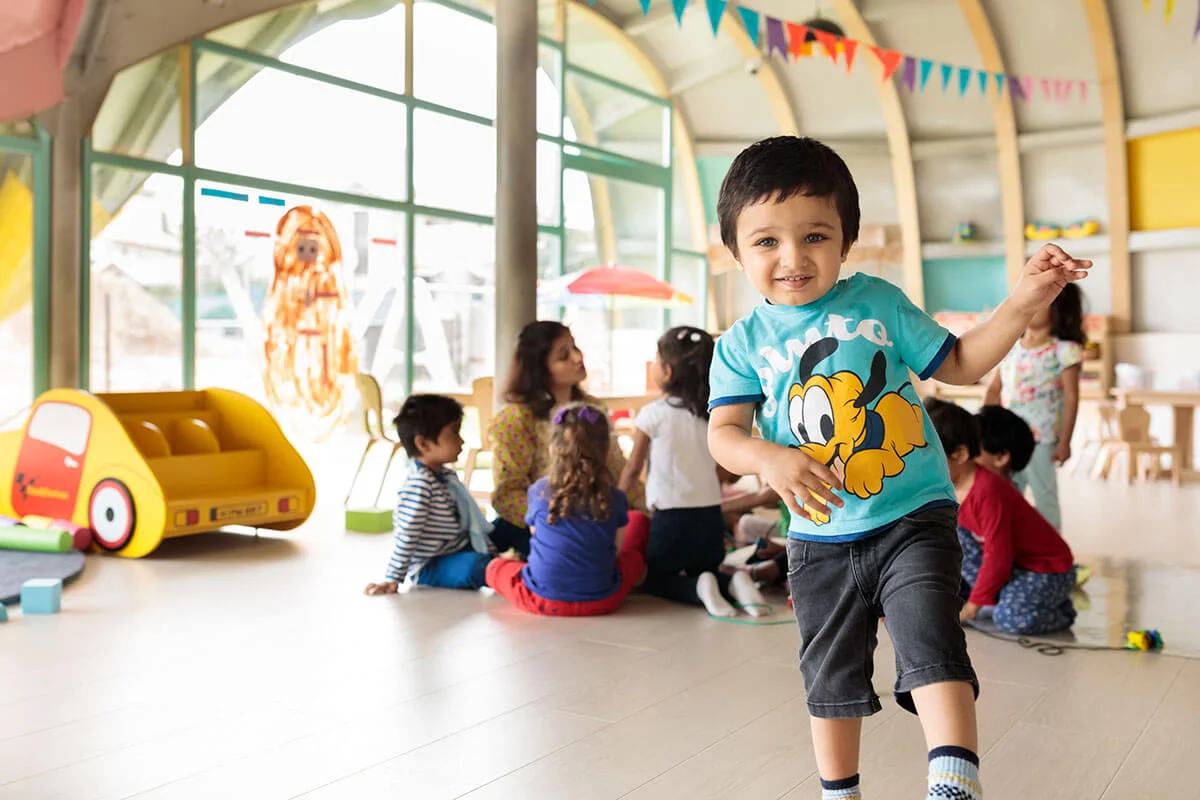
Our responsive playgroup program is the first independent adventure for children. The program is designed to encourage the growth of independence, social awareness, sensory skills, and language acquisition in children. The group meets for 3 hours everyday from Monday to Friday.
Day in the Life

Play Group Learning Spaces
Sensory Gym
The sensory gymnasium is every child’s favourite space at Toddler’s Den. It is filled with open-ended and structured challenges that change every week. Children strengthen physical skills and social skills as they walk on balancing beams, wobble on river stone gonges, fall on crash mats, climb on rock walls, jump under parachutes, ride scooters, swing on ziplines, and hang on wallbarz.
Outdoor Play Spaces
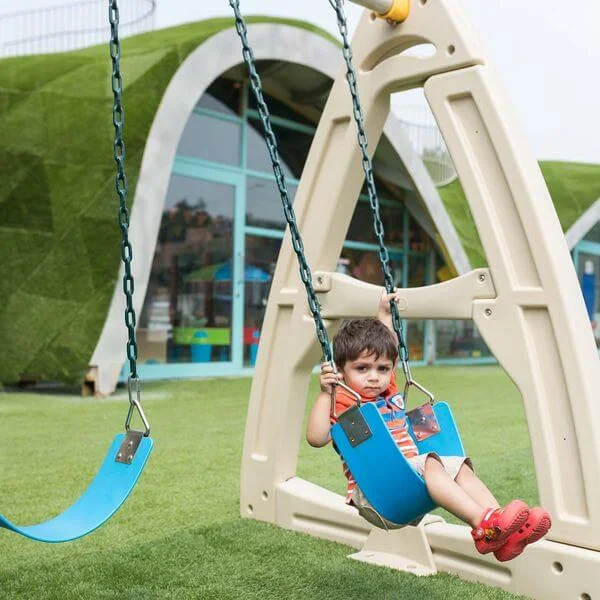
Toddler’s Den is equipped with 3 types of outdoor spaces - active, social, and experimental. In the active play area, children have access to open-ended play equipment where they develop their gross-motor skills through cycling, crawling and climbing on mounds. The outdoor social area is an interactive and collaborative space with a sand pit, water tub and a pretend play area. In the experimental outdoor area, children experiment with materials that evoke their multiple senses.
Art and Design Station
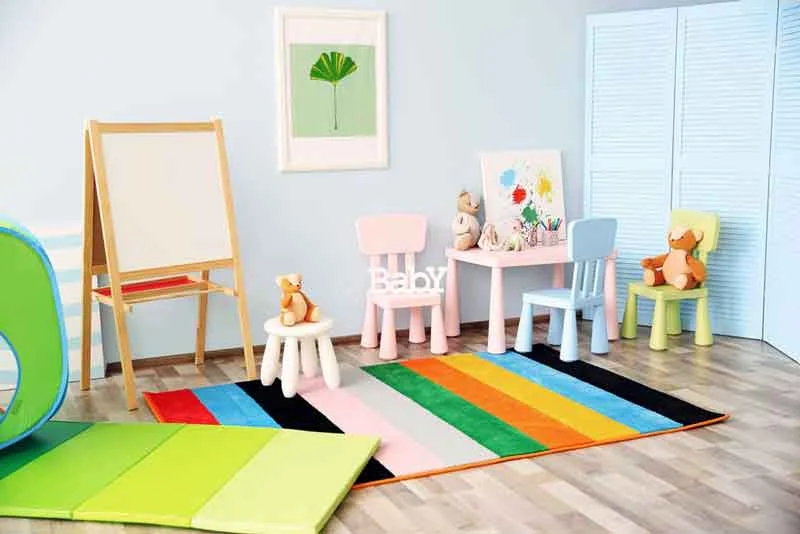
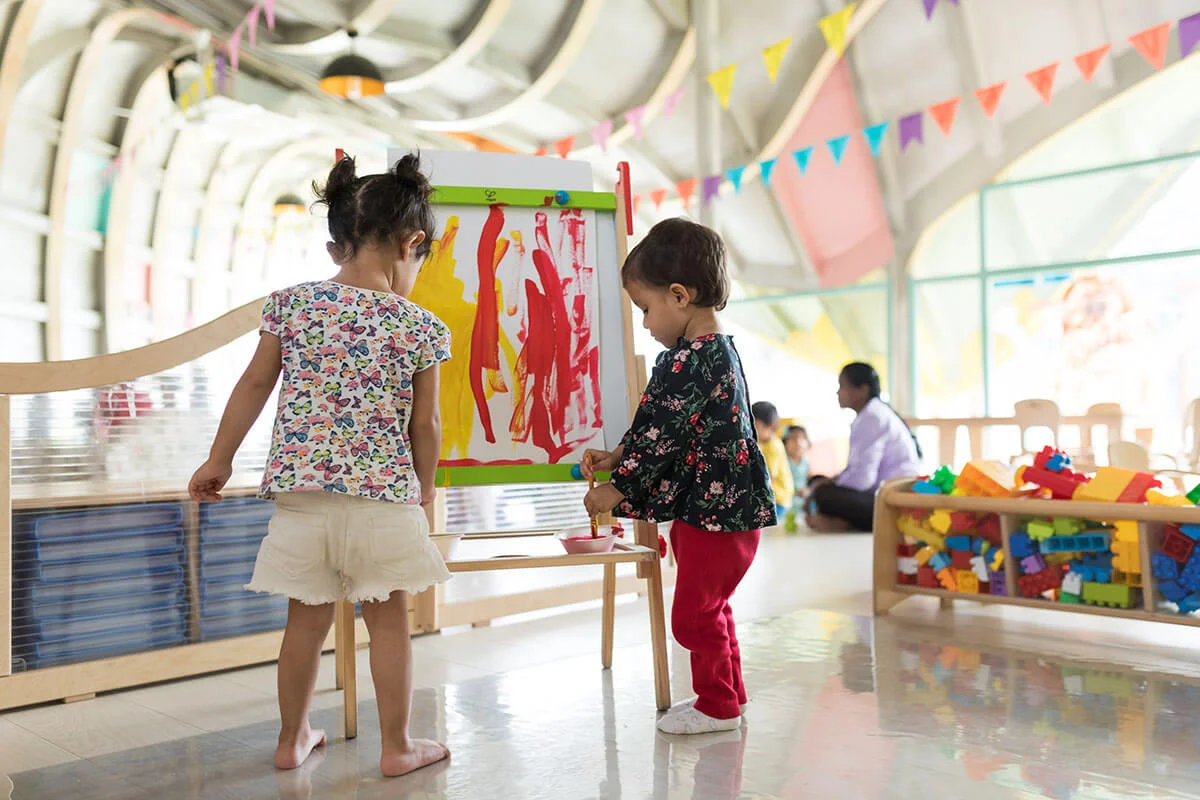
The art and design station, equipped with easels and traditional chabudai, allows children to engage with a range of tools and materials to explore textures and create expressive arts and crafts. Children explore a range of paints such as powder, poster, acrylic, dye, tablet, and oil paints and tools such as stamps, sponges, and brayer rollers.
Sensory Station
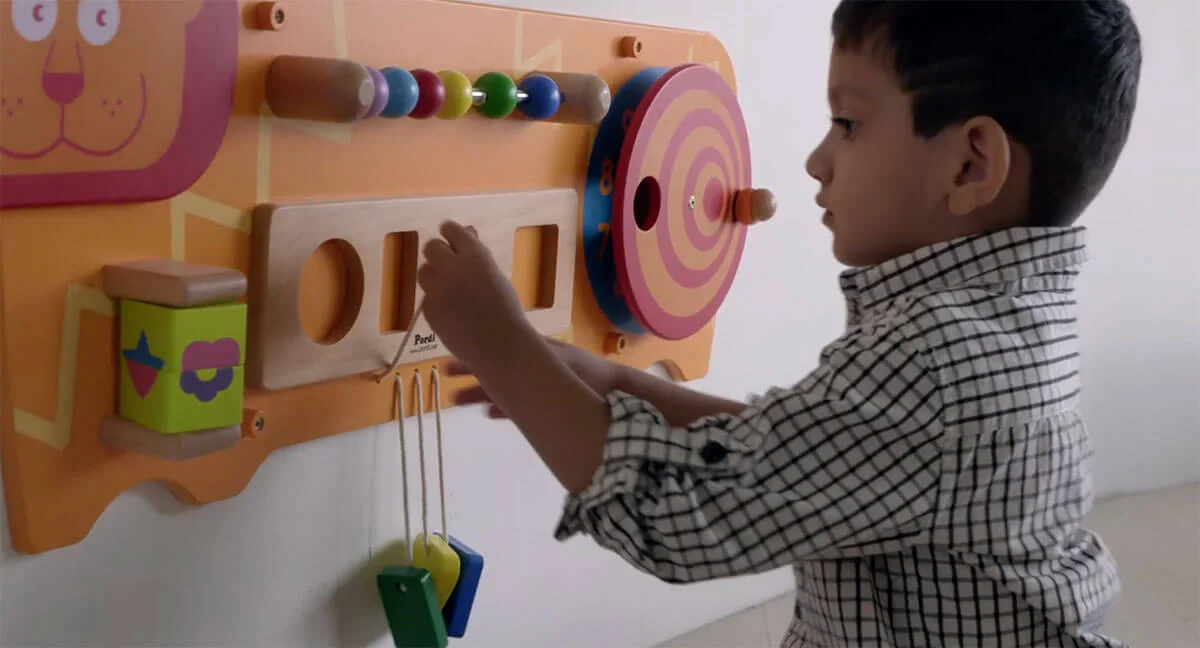
Interesting wall and interactive installations as well as natural, synthetic, and montessori materials are a part of this station. These sensory experiences are an opportunity for children to express their emotions and interests. Designed to deepen a child’s conceptual understanding of the world, this station allows children to immerse in smelling and tasting experiences, listening activities, and touch and feel games.
Block Station
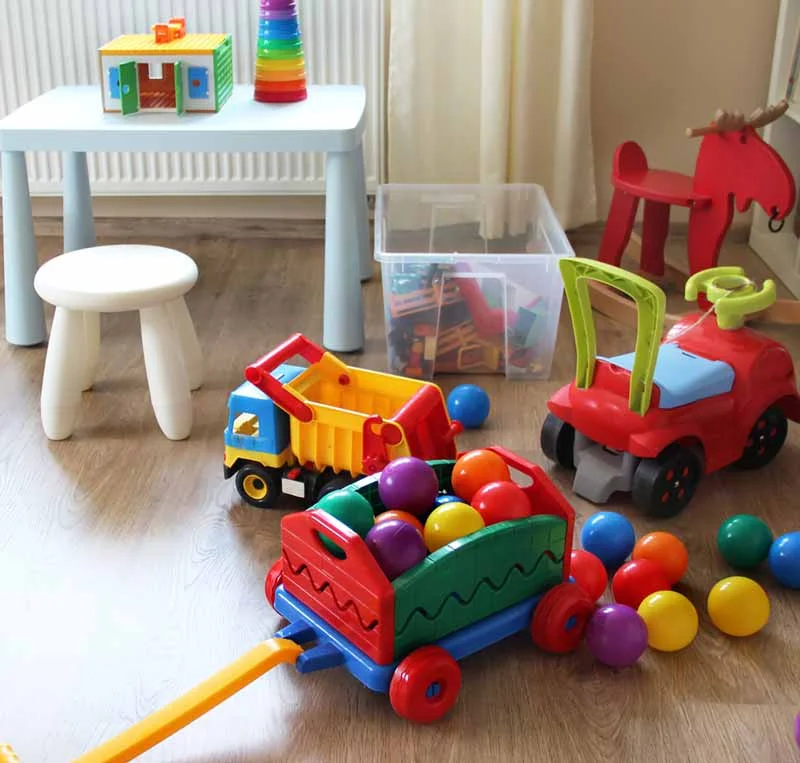
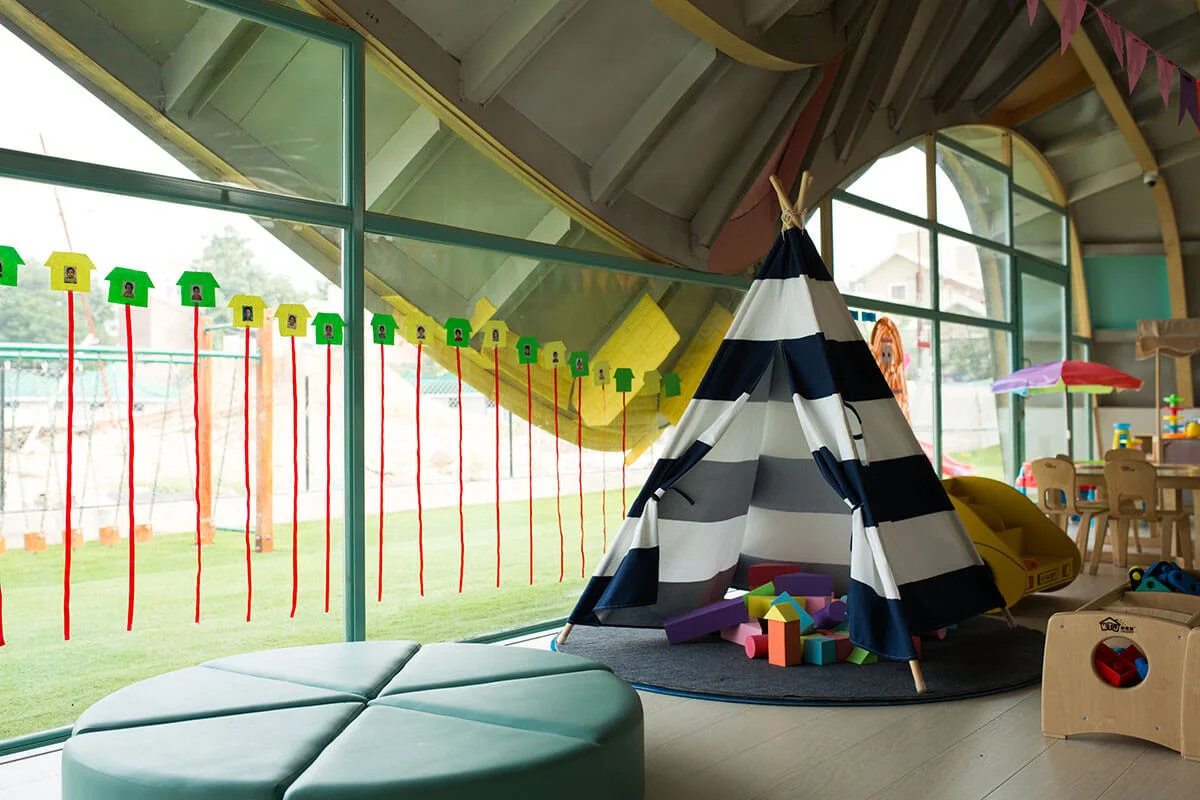
Equipped with child-friendly blocks of different sizes, shapes, and textures, this station encourages children to tinker and recreate their thoughts and interpretations of the world. Educators encourage children to build and talk about their creations and help support language and physical development. Children get to play with lego blocks, tube blocks, spiral blocks, 3D and 2D puzzles, foam blocks, magnetic blocks and much more.
Storytime Station
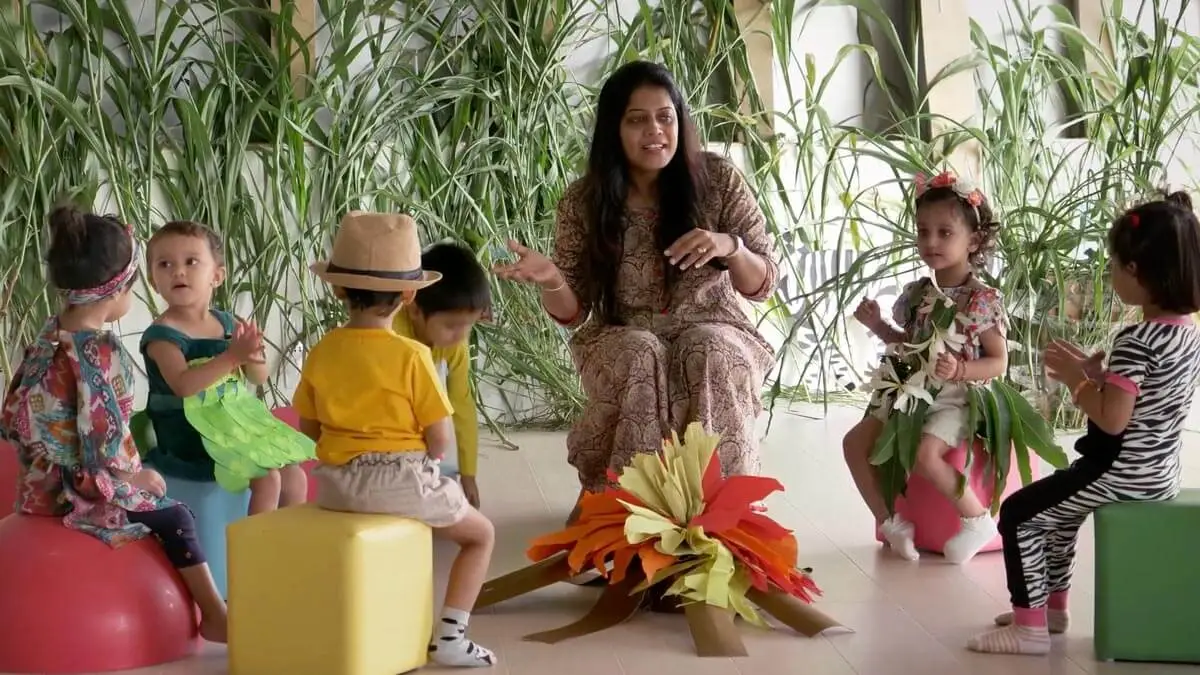
The Storytime Station is a reef of imagination and calm in the classroom. Here, children have access to age-appropriate books that need little to no adult supervision such as texture books and picture books. Read-alouds are a central part of this station and help children build their vocabulary and their understanding of the world. Educators use music and movement to support children in their pronunciation of simple words.
Pretend Play Station
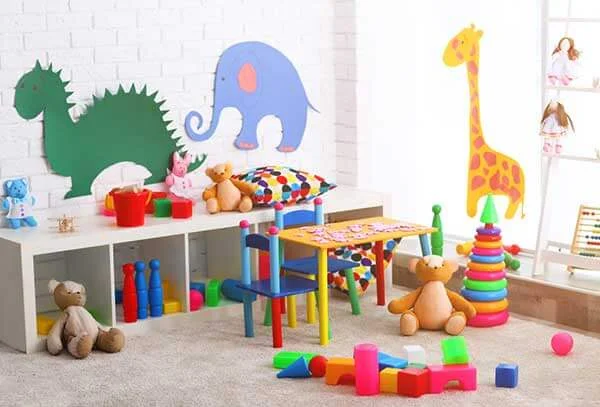
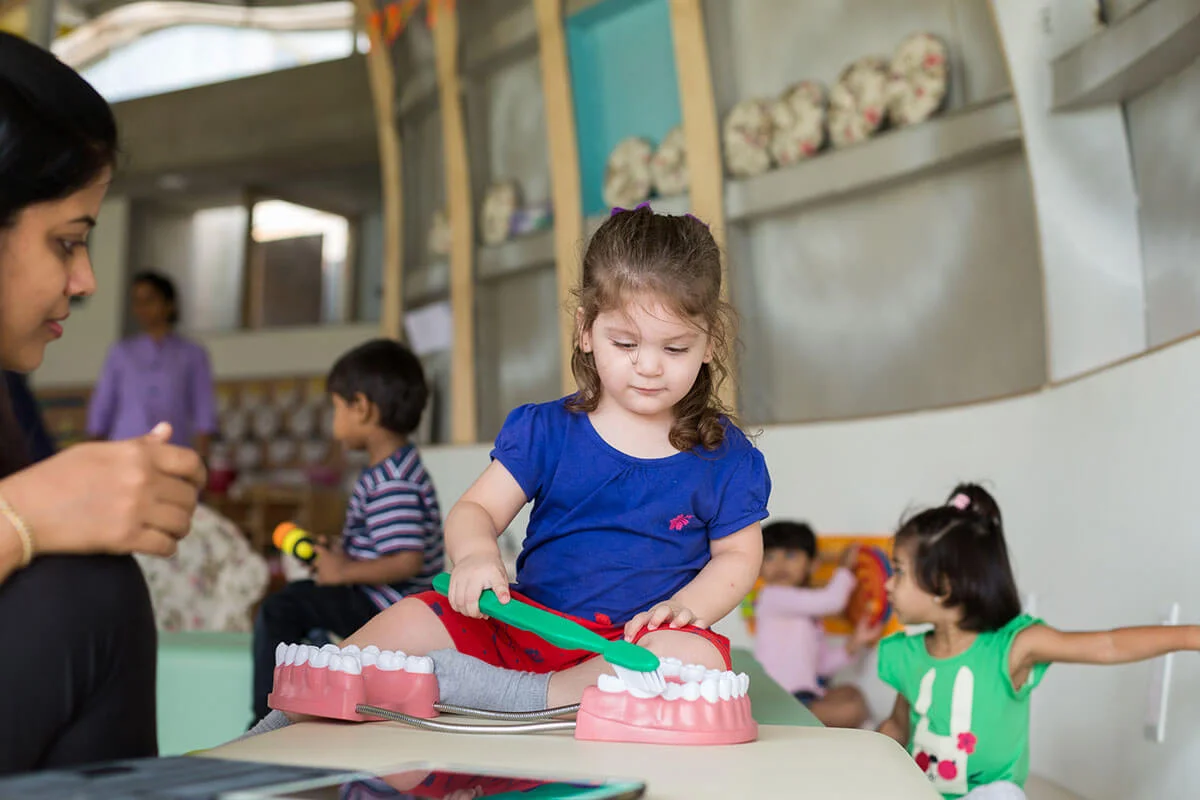
Pretend play helps children make sense of their world by enacting their abstract thoughts into concrete actions. This station is furnished with props and costumes that can be used to recreate various settings such as a kitchen, a wash area, a shop, a hospital, or a restaurant. Children enact scenarios that they have witnessed, participated in, or imagined.
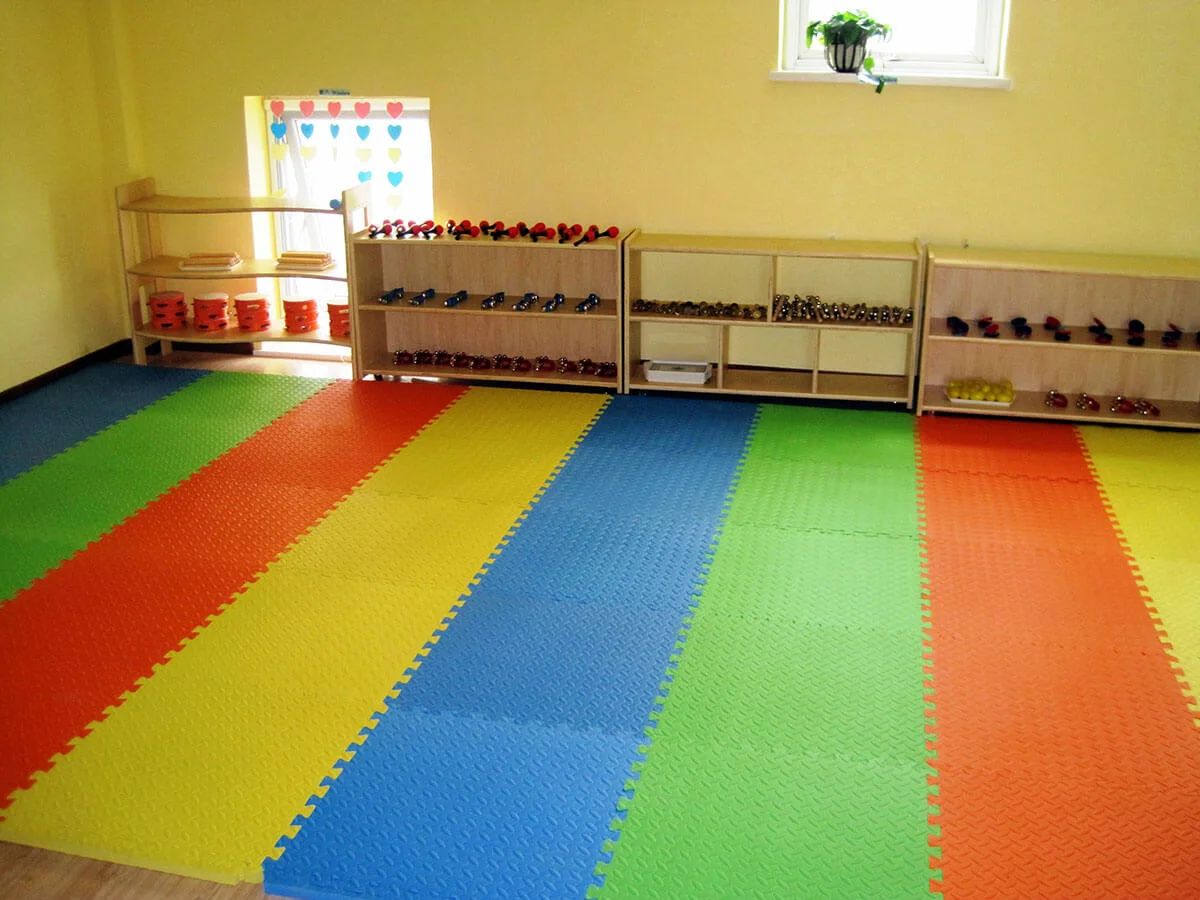
Music Station
At this station, children have access to a wide variety of age-appropriate musical instruments, including keyboards, string instruments, wind and brass instruments, and percussion instruments. They experiment with making sounds by shaking, banging, and plucking materials. They slowly understand loudness, tempo, and basic rhythm which further cognitive development.
Frequently asked questions
At Toddler's Den, Playgroup is designed for children from approximately 1.6 years of age.It is often a child's first step into a preschool environment. At this age, readiness is not about letters or numbers. It is about beginning to build trust with educators, spending time away from parents, interacting with other children, following simple routines and exploring the world through play.Every child transitions differently. Our Admissions Team can help families understand the right programme and intake based on their child's age, readiness and individual needs.
Yes. We expect that different children will settle in different ways. Some children walk in with ease. Some cry, some hold on, and some observe quietly before joining in. None of this is unusual. It is part of how young children make sense of a new space and build a sense of security.
Before the child begins, parents complete a Know My Child form, which helps educators understand the child's interests, comfort cues, preferences, likes and dislikes. These insights help us prepare for each child and create an environment that feels familiar and welcoming.
The year begins with smaller groups and shorter school hours, giving children time to build trust with their educators, become familiar with the environment and gradually feel secure. Once the children are settled, groups come together and school hours are gradually extended, allowing the transition to happen at a pace that feels comfortable for the children.
Yes. Programme schedules may vary across our campuses to meet the needs of different families. To learn about the Playgroup batches available at your preferred campus, we encourage you to get in touch with our Admissions Team, who will be happy to guide you through the available options.
Yes. June remains the primary entry point for Playgroup, as it allows children to begin the year with their group, educators and routines from the start.
At the same time, we understand that young children become ready for school at different points in the year. For Playgroup, Toddler’s Den also has batches beginning in September and January, subject to availability, age eligibility and the child’s readiness.
A later start does not mean that the child has “missed” the learning. In the early years, the topic being explored in class is not the only differentiator. The deeper work is in the skills children continue to build every day — settling into a group, separating gently, communicating needs, listening, sharing space, following routines, using materials, building language, moving with confidence and becoming more independent.
The inquiry or topic gives children a context. The skills are the real continuity.
Before confirming admission, our team considers the child’s age, readiness, current group dynamics and the most appropriate point of entry, so that the transition into Playgroup feels smooth and supported.
Every day is thoughtfully planned to provide a balance of play, exploration and meaningful learning experiences. Children participate in indoor and outdoor learning, creative expression, movement, sensory exploration, story experiences and opportunities to interact with their peers. Familiar routines and inspiring learning environments create a sense of security while encouraging children to explore, make choices and learn with confidence.